Simple step-by-step connection walkthroughs and troubleshooting solutions for HP, Canon, Brother, and Epson printers.
Self-help tutorials and technical articles organized by major printer manufacturers for clear reference.
Detailed walkthroughs covering HP Smart application pairing, DeskJet Wi-Fi setup, and LaserJet network connection steps.
View HP Articles →Instructions for Canon PIXMA, MAXIFY, and imageCLASS wireless network configuration and IJ driver installation.
View Canon Articles →Network wizard walkthroughs, HL-Series wireless setup, and MFC print spooler troubleshooting documentation.
View Brother Articles →Self-help steps for EcoTank, WorkForce, and Expression Home Wi-Fi Direct and network port configurations.
View Epson Articles →Comprehensive walkthroughs tailored for connecting wireless printers across major desktop and mobile operating systems.
How to configure TCP/IP ports, navigate Control Panel printer properties, and reset spooler services on Windows 10 and 11.
Steps for adding wireless network printers using CUPS web interface, Bonjour auto-discovery, and standard macOS driver suites.
Pairing handheld Android and iOS devices using Mopria Print Service, Wi-Fi Direct, and manufacturer-specific printing apps.
Explore popular wireless printer hardware models known for reliable network connectivity and efficient printing.
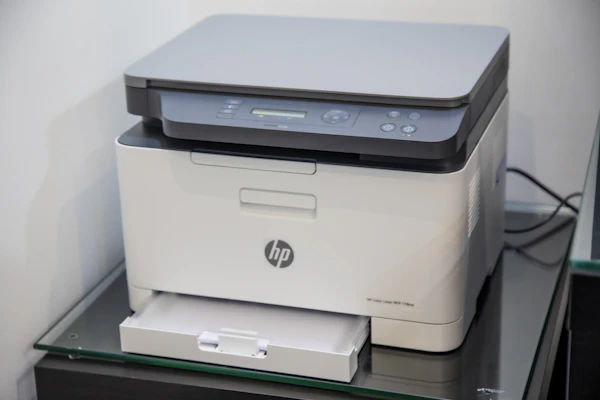
Compact wireless inkjet printer ideal for home printing, mobile setup, and quick document scanning.
Versatile photo and document printer featuring wireless photo printing and borderless media handling.
High-speed, durable monochrome laser printer engineered for heavy home office document printing.
Cartridge-free ink tank printer offering low-cost refillable ink bottles and Wi-Fi Direct connection.
Follow these four standard chronological stages to connect and verify any consumer wireless printer on a home network.
Prepare physical hardware prior to establishing any network connection.
Connect the physical printer device to your local wireless SSID.
Install system software utilities to allow print queue integration.
Verify network communication and execute calibration checks.
Methodical troubleshooting steps to diagnose connectivity drops, spooler errors, and driver misconfigurations.
If your operating system reports the printer as offline despite being powered on, power cycle your wireless router, printer, and PC simultaneously to renew the DHCP IP lease. Verify both PC and printer reside on the same Wi-Fi subnet, and uncheck "Use Printer Offline" in Windows settings.
When print jobs get stuck in queue, open services.msc, locate Print Spooler, and click Stop. Navigate to C:\Windows\System32\spool\PRINTERS and delete all temporary spool files. Return to Services window and click Start to restore clean print processing.
Frequent wireless disconnections occur when printers enter deep eco-sleep mode or shift IP addresses. Assign a static DHCP reservation IP via your local router admin panel and disable auto-sleep network timeout modes directly on the printer control menu.
Corrupted printer drivers cause persistent spooler crashes. Uninstall existing printer software via Windows Control Panel / macOS System Settings, remove legacy virtual ports in Device Manager, and execute a fresh installation of official manufacturer driver suites.
Quick answers to standard wireless printing questions and networking technicalities.
This typically occurs due to IP address conflicts, print spooler stalls, or firewall port blocking. Verifying that your device and printer share the same IP subnet usually resolves the communication link.
Most consumer printers perform best on 2.4GHz bands due to greater wall penetration and range. Many legacy printer network adapters do not support 5GHz frequencies.
Wi-Fi Direct enables your computer or phone to establish a direct wireless connection to the printer without requiring a router or internet connection.
You can print a Network Configuration Page directly from the printer's setup menu, or view the attached devices table inside your router's administration dashboard.